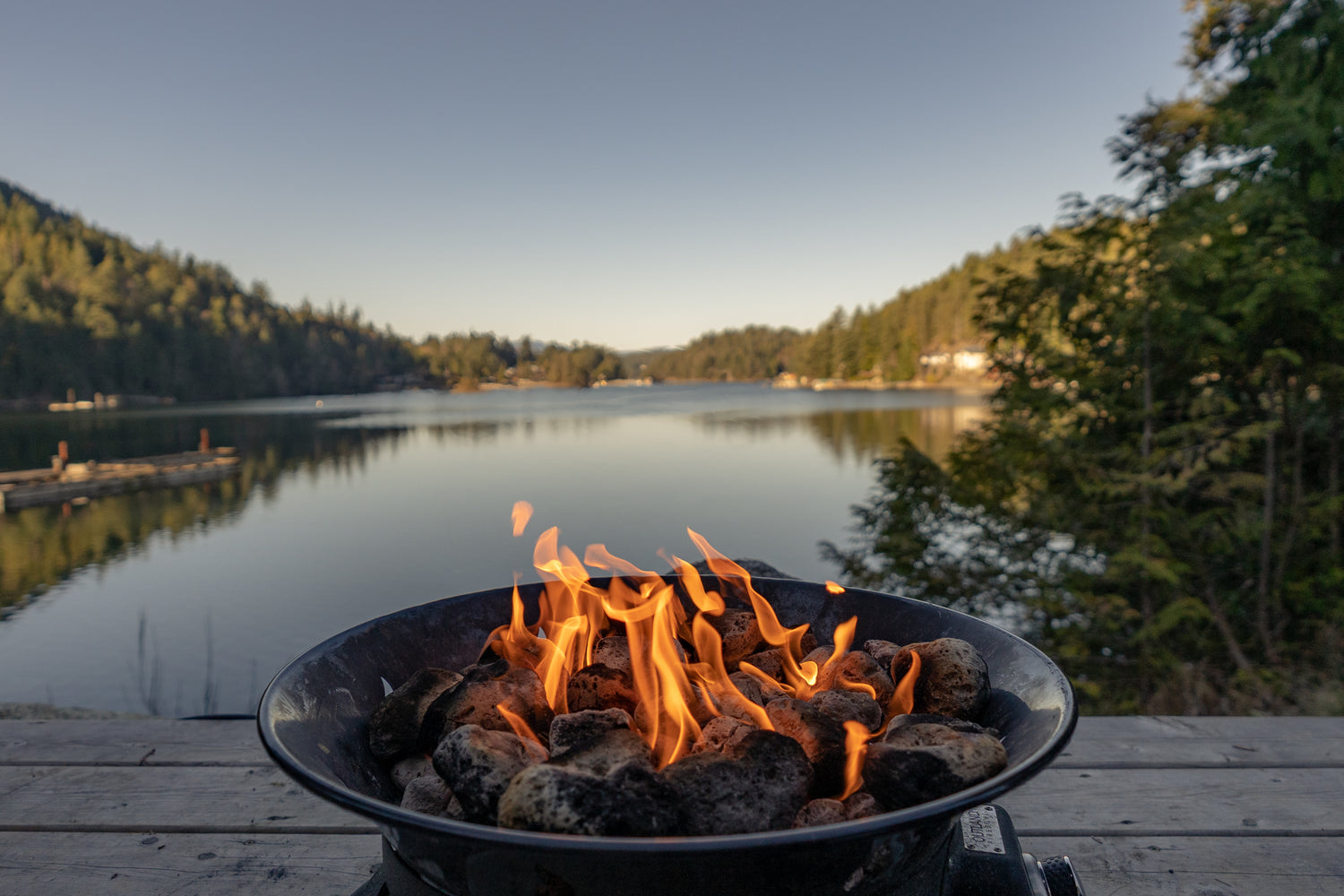
The first time I cooked on a gas barbecue, it wasn’t at a showroom or a perfectly staged garden party. It was a slightly windy evening, a few friends standing around, and a plate of chicken that needed to be done before everyone got hungry. I remember turning the knob, hearing that soft click–whoosh, and realizing something important: outdoor cooking didn’t have to be complicated to be good.
Since then, I’ve cooked on many different grills, small ones on balconies, larger setups in back gardens, and everything in between. What always stands out is how practical, reliable, and enjoyable a gas barbecue can be when you actually use it in real life.
This guide is for people who care less about hype and more about how outdoor cooking really fits into everyday life.
Why So Many Home Cooks Choose Gas
Outdoor cooking sounds romantic until you’re short on time. After a long workday, no one wants to wrestle with lighting fuel or waiting ages for heat. That’s where gas-powered grills quietly win people over.
They’re popular not because they’re flashy, but because they work when you need them to.
Everyday Advantages You Actually Notice
When you use one regularly, a few benefits become very clear:
-
Fast start-up – You can be cooking within minutes
-
Easy temperature control – Turn a dial, not guess
-
Consistent heat – Less burning, more even cooking
-
Cleaner operation – No ash, less mess afterward
These things may sound small, but they add up when you’re cooking two or three times a week.
Cooking Feels More Relaxed
One thing people don’t talk about enough is how relaxed the experience feels. You’re not hovering nervously over flames. You’re not adjusting vents every few minutes. Instead, you can focus on food and conversation. And on evenings when cooking slowly and enjoying warmth matters more than grilling speed, an Outdoor Fire Pit can help transform your garden into a cosy haven.
I’ve noticed this especially when cooking for guests. With steady heat, you can:
-
Grill vegetables slowly without charring
-
Cook chicken thoroughly without drying it out
-
Sear steaks properly, then finish them gently
It feels closer to indoor cooking, just with fresh air and better smells.
Understanding Heat Zones (Without Overthinking It)
You don’t need to be a grilling expert to get good results. Most setups naturally create different heat areas, and that’s a good thing.
High Heat Zone
Perfect for:
-
Steaks
-
Burgers
-
Sausages
You get that quick sear and satisfying crust.
Medium Heat Zone
Great for:
-
Chicken pieces
-
Fish
-
Thicker vegetables
Food cooks through without burning.
Low Heat or Indirect Area
Ideal for:
-
Whole chickens
-
Slow-cooked ribs
-
Warming bread
Once you understand this basic layout, cooking becomes much more forgiving.
Weekday Meals vs Weekend Cooking
One reason petrol grills stay popular is their flexibility.
On weekdays, they’re approximately tempo. I’ve grilled marinated chicken, halloumi, or kebabs quicker than I have to heat the oven internal. Cleanup is minimal, and the kitchen remains cool.
On weekends, they gradual down in an outstanding manner. Longer cooking classes, more variety, and time to test with:
-
Different marinades
-
Roasted greens
-
Grilled fruit for dessert
It adapts to your pace, not the other manner round.
Taste: Honest and Clean
There’s often debate about flavor. Some people assume gas means “less taste.” In my experience, that’s not really true.
What you get is clean flavor. The taste comes from:
-
The quality of the ingredients
-
Marinades and seasonings
-
Proper cooking temperature
Drippings hitting heated surfaces still create aroma. Herbs, garlic, citrus, and smoke boxes (if you choose to use one) add depth without overpowering the food.
Maintenance Is Part of the Appeal
No one enjoys cleaning, but some grills make it harder than it needs to be. With gas models, maintenance is straightforward.
Simple Habits That Help
-
Brush grates while they’re warm
-
Empty drip trays regularly
-
Wipe surfaces occasionally
That’s it. No dealing with leftover fuel or cold ashes the next morning.
This simplicity is one reason many families keep using theirs year after year.
Space-Friendly for Modern Homes
Not everyone has a huge garden. I’ve seen gas barbecues used successfully on:
-
Small patios
-
Urban courtyards
-
Rooftop terraces
There are compact designs that don’t feel cramped and larger ones for people who love hosting. In more permanent setups, an Outdoor Fireplace can transform a backyard into a cosy retreat that works beautifully alongside outdoor cooking. The key is that they fit into modern living, not just idealized outdoor spaces.
Safety Feels More Predictable
Cooking with fire always requires attention, but controlled gas flames feel more predictable than open embers. With proper setup and basic care, you know exactly what’s happening under the lid.
This matters if:
-
You cook around children
-
You grill frequently
-
You want peace of mind during longer sessions
Confidence makes cooking more enjoyable.
Making It Part of Your Routine
The best outdoor cooking tools are the ones you actually use. I’ve seen people buy beautiful grills that sit untouched because they’re “too much work.”
Gas barbecues tend to avoid that fate.
They become part of the routine:
-
Quick dinners after work
-
Casual weekend lunches
-
Small gatherings without stress
Over time, outdoor cooking stops feeling like an event and starts feeling normal, in a good way.
A Thoughtful Way to Cook Outdoors
Choosing a gas barbecue isn’t about chasing trends. It’s about choosing a tool that supports how people really live: busy weekdays, relaxed weekends, and meals that bring people together without extra effort.
When outdoor cooking feels easy, you do it more often. When you do it more often, it becomes more enjoyable. And when it’s enjoyable, food tastes better, not because of the grill itself, but because you’re present, relaxed, and cooking with confidence.
That, in the end, is what good outdoor cooking is really about.